
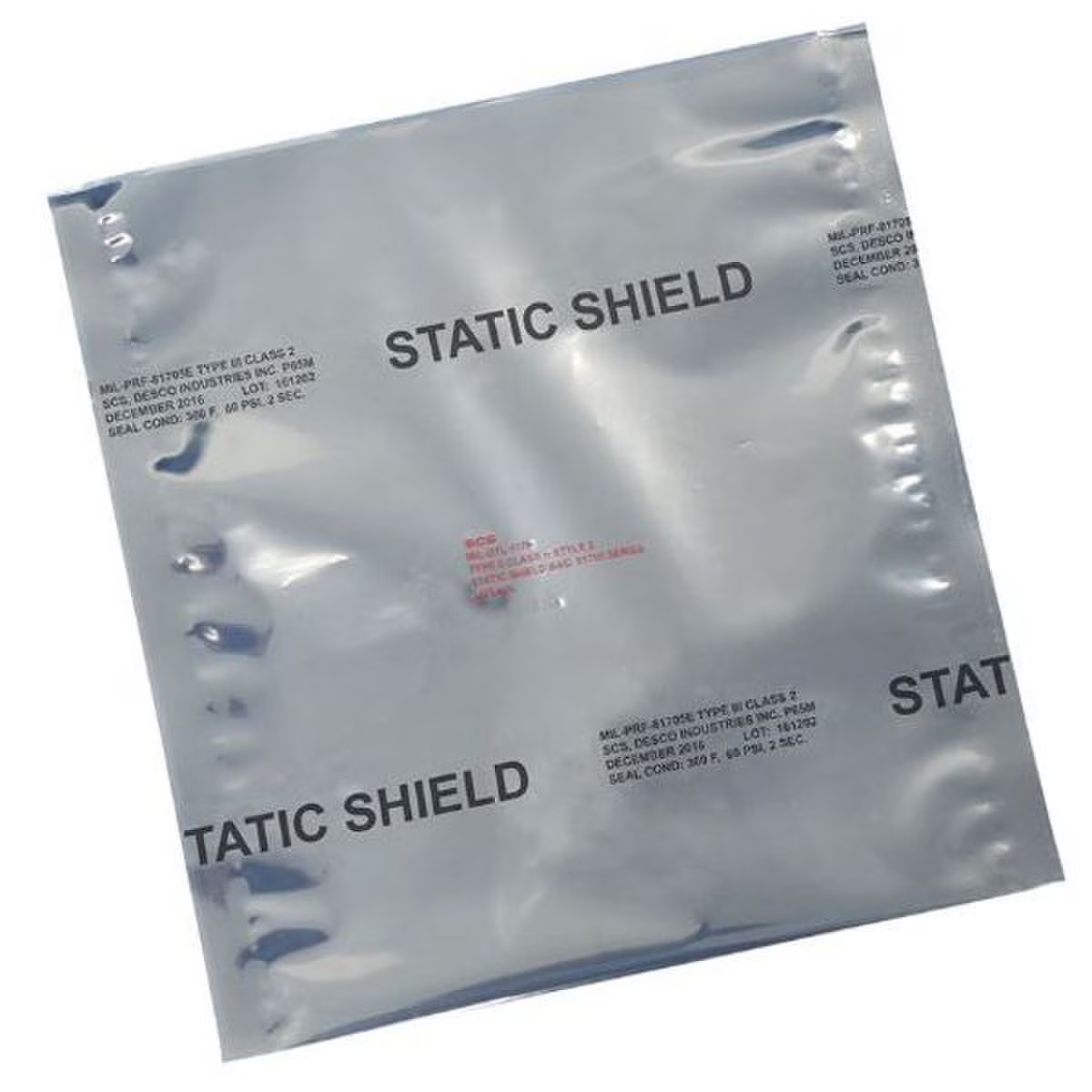
A component may look properly packaged, with a plastic bag seemingly covering the whole item. But the wrong type of bag will expose it to static discharge, moisture, or both. If you ship sensitive electronics, static-shielding bags and moisture-barrier bags offer adequate protection for your items. The difference is that each bag solves a specific packaging problem.
Static-shielding bags focus on electrostatic discharge (ESD). Meanwhile, you use moisture-barrier bags to prevent water vapor buildup. However, these two qualities may overlap, as some bags offer both ESD control and moisture prevention.

Aerospace, defense, and electronics applications often require packaging that addresses both ESD and moisture risks. For example, many military barrier materials are ESD protective and water-vapor-proof.
If you need such materials for your packaging, Correct Products is a reliable source of ESD bags, static-shielding bags, ESD moisture-barrier bags, and dry packaging materials.
The Difference Between the Two Bags
At a basic level, a static-shielding bag is the bag you use to protect against static-related damage. On the other hand, a moisture-barrier bag protects against moisture exposure during storage or shipping.
But there are also differences in the material used for each bag. Static-shielding bags have a metalized layer. This layer functions as a shield, keeping ESD from damaging your electronics. ESD threats may originate from external static fields or from charges generated when materials contact and separate, so depending on the bag, it should protect both from the inside and outside.
Moisture-barrier bags, on the other hand, have layered film structures of aluminum and polyester that block water vapor. To be most effective, you should use moisture-barrier bags alongside desiccants and humidity indicator cards.

What Static-Shielding Bags Are Designed to Do
Static-shielding bags are ESD packaging that provides a safe container for static-sensitive electronics. Static charge is produced when a component touches a static material, such as when a circuit board slides into or out of a bag. When handling these components, you have to control ESD risk.
Static-shielding bags are important for preventing ESD from changing the electrical properties of the component, which can render it unusable. Electronics that benefit from these bags include microchips, electronic assemblies, and circuit boards. The metalized layers of the bags create a Faraday cage effect that helps direct electrostatic charges around the outside of the bag rather than toward the component inside.
Take note that plain anti-static bags are not considered static-shielding bags, as static-shielding not only reduces charge generation but also shields the product inside.
Moisture-barrier bags guard against another significant environmental risk: water vapor. These bags limit the amount of moisture that enters the package. This includes liquid water and humidity that may enter packaging over time.
Moisture can cause extensive damage to electronics. It may cause delamination or loss of adhesion for connected parts, a failure mechanism called “popcorning” during reflow. This matters particularly to sensitive components that may absorb humidity before soldering or assembly.
Moisture-barrier bags are ideal for parts that warrant dry, long-term storage, and added protection before solder reflow.
Where the Two Bag Types Overlap
Static-shielding and moisture-barrier bags can be used together if your product requires it. The two bag types are not always separate solutions. Many electronic components need both. In fact, some moisture-barrier bags also come with some form of ESD shielding.
The aerospace and military industries often require packaging materials with specific standards. The MIL-PRF-81705 specification focuses on flexible, heat-sealable ESD protective materials. If a material is within Type I of this specification, the material also provides water vapor prevention.
This matters especially if your products may face different risks during shipping and handling. For example, you may need ESD shielding during the handling phase of your shipment. However, your shipment may also pass through a tropical or humid climate during shipment. Your item should withstand both environments.
How to Choose the Right Bag for Your Component
Choosing between the two bag types starts with understanding the risks facing the component. You will have to prioritize the requirements of your item before anything else. Appearance or color can be customized later, but what’s most important is that the bags shield your components for the entire shipment process.
If the component you will be using is mainly static-sensitive, a static-shielding bag will suffice. If the part calls for moisture shielding, especially before it goes through solder reflow, then an ESD moisture bag is the appropriate choice.
However, if the component will be exposed to ESD risks and a humid environment, it’s wise to opt for bags that provide both static and moisture protection. The packaging setup should address both risks.
Storage time also matters. Long-term storage may increase the risk of moisture buildup, especially if the storage area is in a tropical location.
The physical shape of the item can also be a factor. Items with sharp edges can puncture the packaging. You need to consider bag thickness and puncture resistance.
Moisture-barrier bags work as intended if the packaging is tightly sealed. The tapes and sealing methods you use will also factor in. Correct Products offers ESD moisture-barrier bags in multiple sizes, thicknesses, and moisture vapor transmission rates.
What a Complete Dry Packaging Setup May Include

A packaging bag is just one facet of a larger dry packaging system. Based on NASA packaging guidance, dry pack setups would typically include a moisture-barrier bag, desiccants, a humidity indicator card, and either a vacuum seal or a heat seal.

A humidity indicator card gives you a visual reference for humidity levels inside the package. As humidity rises, the indicator card changes color.
Desiccants absorb residual moisture inside the sealed package. Meanwhile, sealing further prevents moisture from coming in, while allowing the desiccant to absorb anything left inside.
The Correct Products dry packaging category is a useful resource if you’re looking for several compatible packaging items together.
How Correct Products Helps With ESD and Moisture Packaging
ESD and moisture are serious production risks, and choosing suitable packaging to prevent them from damaging your products should not be taken lightly. Fortunately, there are many packaging options you can use to address these risks. The right choice comes down to purpose, storage time, handling process, and compliance requirements. Check your item specifics so that the measures you take are adequate and appropriate.
Whether your product requires protection from ESD, moisture, or both, Correct Products can help you achieve a solid packaging system. If you need stock sizes, bulk orders, or custom packaging, contact Correct Products today via phone: 972-690-6645 or 1-800-870-1199 (toll-free).
Frequently Asked Questions
Can a moisture-barrier bag also provide ESD protection
Yes. Some moisture-barrier bags also provide ESD protection. These bags have a layering that helps control moisture while creating a shield against ESD. These are quite useful packaging materials, as most electronic components are at risk of both humidity and static during handling, storage, and shipping.
When should I use a moisture-barrier bag instead of a static-shielding bag?
The best way to determine which bag your item needs is to check the item’s requirements found in the design plans, blueprints, or handling document. In general, use a moisture-barrier bag when the shipment primarily requires protection from humidity. Static-shielding bags should be your option when the main requirement is ESD shielding. Of course, an item that is vulnerable to both risks warrants a bag that has both static-shielding and moisture-proof qualities.
Can static-shielding bags prevent moisture damage?
Static-shielding bags should not be treated as moisture-control packaging unless they are specifically rated for that purpose. Their main role is to protect sensitive electronics from electrostatic fields and discharges. For moisture-sensitive parts, a moisture-barrier bag with a proper dry-pack setup is a better fit.
What should you include in a dry-pack setup?
Aside from the moisture-barrier bag, a dry-pack setup usually includes a desiccant, a humidity indicator card, and a sealing method (either heat or vacuum).
What happens if moisture-sensitive components are stored without a moisture-barrier bag?
It will be much harder to keep your item dry. Humidity may enter your components from the surrounding air. During reflow soldering, the trapped humidity may create pressure and expand. This will lead to popcorning, which cracks and delaminates the product.
!– /wp:paragraph –>
You must be logged in to post a comment.