Packaging Best Practices for Shipping Battery-Powered Medical Devices Safely

Shipping battery-powered medical devices requires strict handling, packaging, and labeling practices to ensure safety and regulatory compliance. Failure to meet these requirements can result in shipment delays, fines, or rejection. However, these requirements may vary depending on the type of medical device, battery type and setup (built-in, packed with equipment, or shipped separately), quantity of batteries, transportation method (air, ground, or sea), and origin- and destination-country regulations.

To navigate this complexity, manufacturers usually coordinate with dangerous goods and logistics providers, specialty packaging suppliers, and transportation carriers. This ensures that shipments are properly prepared and handled during transit and are compliant with relevant transport regulations.

Moisture-Barrier Bags vs Static-Shielding Bags: What’s the Difference?

A component may look properly packaged, with a plastic bag seemingly covering the whole item. But the wrong type of bag will expose it to static discharge, moisture, or both. If you ship sensitive electronics, static-shielding bags and moisture-barrier bags offer adequate protection for your items. The difference is that each bag solves a specific packaging problem.

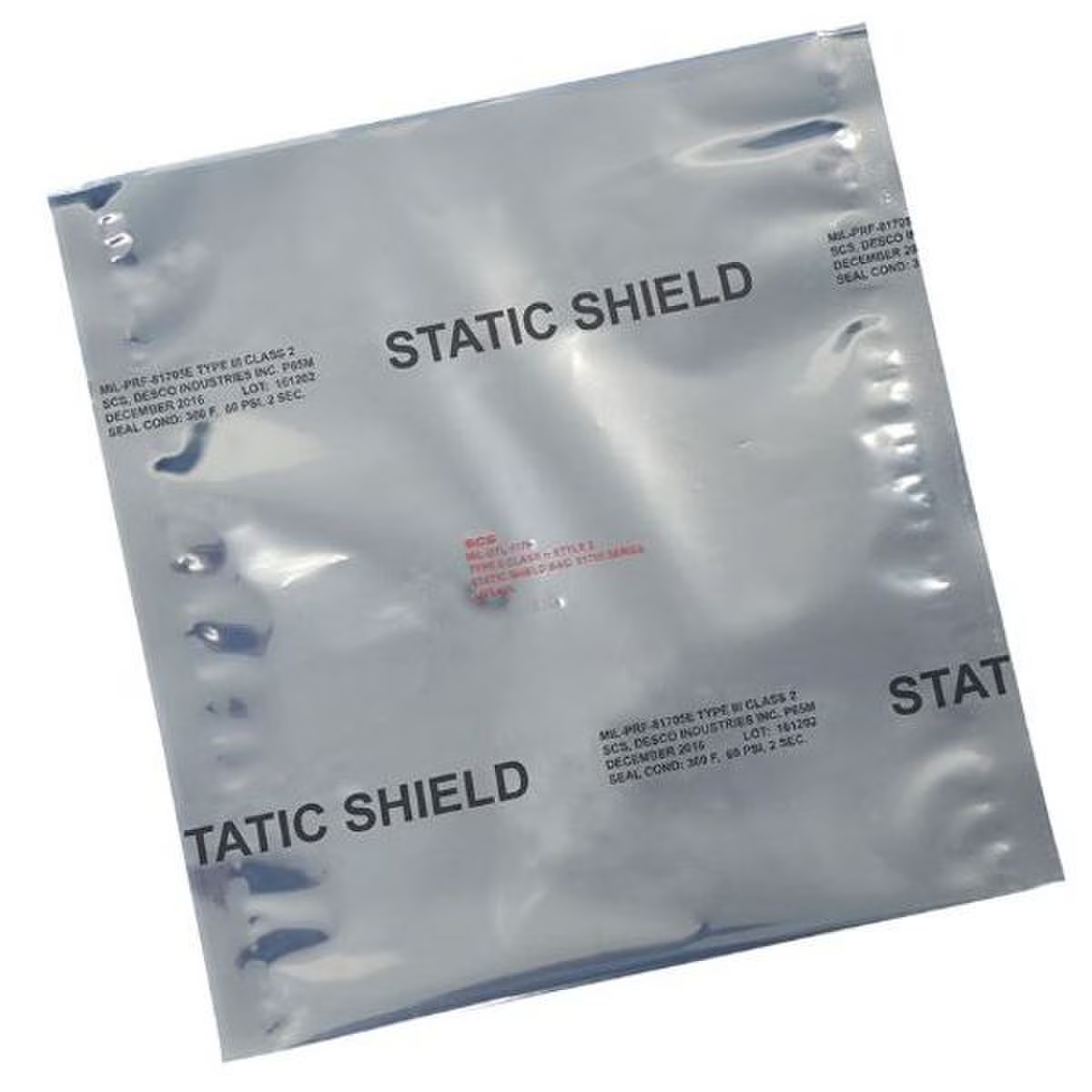
Static-shielding bags focus on electrostatic discharge (ESD). Meanwhile, you use moisture-barrier bags to prevent water vapor buildup. However, these two qualities may overlap, as some bags offer both ESD control and moisture prevention.

Aerospace, defense, and electronics applications often require packaging that addresses both ESD and moisture risks. For example, many military barrier materials are ESD protective and water-vapor-proof.

If you need such materials for your packaging, Correct Products is a reliable source of ESD bags, static-shielding bags, ESD moisture-barrier bags, and dry packaging materials.

How to Ship Military and Aerospace Electronics Without ESD Damage

Military and aerospace electronics are vulnerable not only to drops and rough handling but also to environmental factors. Among these risks, electrostatic discharge (ESD) is a major concern. The National Aeronautics and Space Administration (NASA) treats ESD as a key risk in its operations mainly because it is difficult to detect right away, with damage that may not become apparent until later during critical operations. This risk especially matters when shipments contain sensitive components used in defense systems.

You need a sound shipping plan when handling military and aerospace electronics. The process starts with identifying the correct packaging conditions, with thoughtful consideration of cushioning and moisture prevention. Correct Products supports this process with a wide range of ESD shipping materials.

ESD Foam vs. ESD Bubble Wrap: Cost, Protection, and Use Cases

Fragile shipments live and die on the quality of the packaging. When there’s always the threat of electrostatic discharge (ESD) frying your circuits or excessive weight crushing your chips, the packaging material you use is not something to take lightly. That is why the ESD foam vs ESD bubble wrap question matters when shipping or storing electronics.

Both ESD foam and bubble wrap provide effective ESD protection. But each has a different way of doing it. One offers strong structural preservation, while the other gives the cushioning you need at a lower price.

This guide looks at each material’s strengths, differences, and safety levels. It also suggests the best use cases for each material. Correct Products has been matching buyers with the right ESD packaging materials for their products for years, and each time, the choice comes down to a few simple considerations.