
Keep Your Facility Safe with ESD Floor Wax: A Complete Guide During Holiday Downtime
Static electricity can cause serious damage to electronic parts, so keeping your workplace safe from electrostatic discharge (ESD) is a must. The holiday season is a great time to tackle this. Use the downtime to apply or refresh ESD floor wax in your facility. It’s a smart way to boost your static control plan while avoiding interruptions to regular work.
What Is ESD Floor Wax, and Why Is It Necessary?
ESD floor wax is a special coating that helps make your floors static-safe. It’s designed for factories, labs, and other places where static electricity could harm sensitive electronic parts.
When applied to vinyl, linoleum, and concrete surfaces, this wax adds a static-dissipative layer. This means static electricity doesn’t have a chance to build up. It keeps your workspace safe and protects delicate equipment from damage.
Static electricity may seem minor, but it can cost businesses a lot. Companies lose billions of dollars yearly due to static-related issues, often caused by charged floors. An unprotected floor is a disaster waiting to happen.
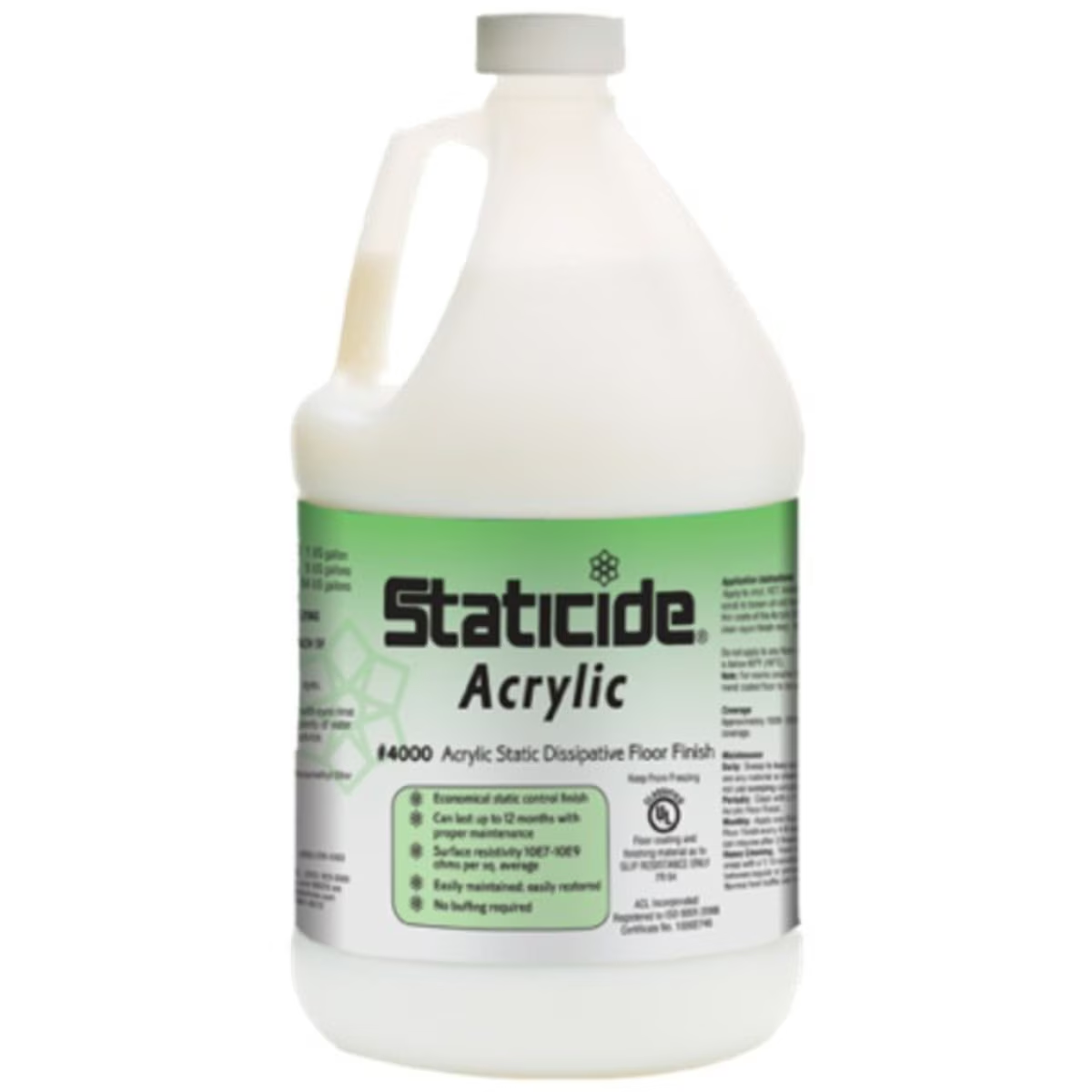
A simple solution like ESD floor wax can make a big difference. It protects electronic components and keeps production running smoothly. It reduces risks from static electricity that arise from everyday tasks.
Applying ESD floor wax regularly helps extend the life of your floors and keeps your workspace up to industry safety standards. You can also stay ahead of problems caused by static buildup. If you work with electronics, it’s one of the best investments you can make to ensure your equipment and personnel stay safe.
Benefits of Applying ESD Floor Wax
Using ESD floor wax makes your workspace safer and more efficient. It’s perfect for controlling static electricity. This wax stops static buildup by helping the charge move safely to the ground, keeping your electronics safe from sudden shocks.
It also helps your ESD floors last longer. By using it often, you protect the surface from daily damage. This means fewer floor replacements, which saves you money over time. With less worry about upkeep, you can use those savings for other important needs.

It also promotes safety to your work area. You lower static electricity risks, so you’ll likely avoid problems that could slow down work or cost you extra. Your equipment works better, and your team and tools stay protected.
Choosing ESD floor wax is a practical move for any business working with electronics. It’s an easy way to boost safety, reduce costs, and improve productivity. If you’re ready to upgrade your static control measures, consider adding ESD floor wax to your regular maintenance plan.
Why the Holiday Downtime Is the Perfect Opportunity for ESD Maintenance
The holiday downtime is the ideal chance to tackle maintenance tasks you might have put off during the year. With no daily operations to worry about, you can focus on projects that improve your production area’s safety and efficiency.
One important job during this downtime is applying ESD floor wax. This helps control static electricity and shields your floors from wear caused by heavy equipment and foot traffic.
While waxing the floors, you can do other maintenance tasks. Deep clean the entire space, check for floor damage, and repair any cracks or stains. This not only keeps your floors in great shape but also prevents bigger problems later. You can also take time to calibrate your equipment so everything runs smoothly when work resumes.
Another good idea is to schedule HVAC service and check safety systems to ensure everything is working as it should. This is your chance to get the workplace ready for a productive new year.
How to Apply ESD Floor Wax
Applying ESD floor wax takes some prep work, but it’s easy when you follow these steps.
Step 1: Clean and Inspect the Floors
Start by thoroughly cleaning the floor. Sweep or mop to remove dirt, dust, and stains. If you encounter stubborn spots, consider using a degreaser to address them effectively. Once the floor is spotless, check for cracks or uneven areas that might need fixing before you apply the wax.
Step 2: Apply the Wax in Layers
Use a clean mop or applicator to spread a thin, even coat of ESD wax across the floor. Let the first coat dry completely before adding the next. You’ll usually need two or three coats for the best results. Follow the manufacturer’s instructions for drying times between layers.
Step 3: Maintain the Waxed Floor
Once the wax is dry, keep the floor in excellent condition by using cleaning products that won’t harm the static-dissipative layer. Avoid harsh chemicals and stick to a regular cleaning schedule. Reapply the wax as needed to maintain its protective properties.
How to Choose the Best ESD Floor Wax
Picking the right ESD floor wax doesn’t have to be tricky if you know what to look for. Start by considering your workspace. Different settings (like electronics factories, labs, or shipping areas) might need specific types of wax for effective static control. Make sure the product you choose meets industry standards, like ANSI/ESD S20.20, to avoid compliance issues.
You also need to think about your budget. ESD floor wax is a cost-friendly option compared to installing permanent ESD floors, but prices vary. Some waxes offer extra benefits, including low VOCs and long-lasting durability.
Brands like Static Solutions, Botron, and ACL Staticide provide reliable options for different needs. Whether you want a small container or a bulk supply, you’ll find choices to suit your facility.

Once your ESD floor finish is applied, don’t forget to test periodically. A surface resistivity meter is an essential tool for testing your ESD flooring.
Ready to Get Started?
Using ESD floor wax is a simple way to boost safety and protect your floors. Holiday downtime is the perfect moment to get it done. Check out CorrectProducts.com for a variety of options that can help you meet your goals and get your workspace ready and safe when operations resume. Shop now!

You must be logged in to post a comment.